
Available on iOS & Android
Read BTC Anywhere
Carry the full magazine experience in your pocket — stories, podcasts, exclusive perks, and more. Download the free app today.
Carry the full magazine experience in your pocket — stories, podcasts, exclusive perks, and more. Download the free app today.
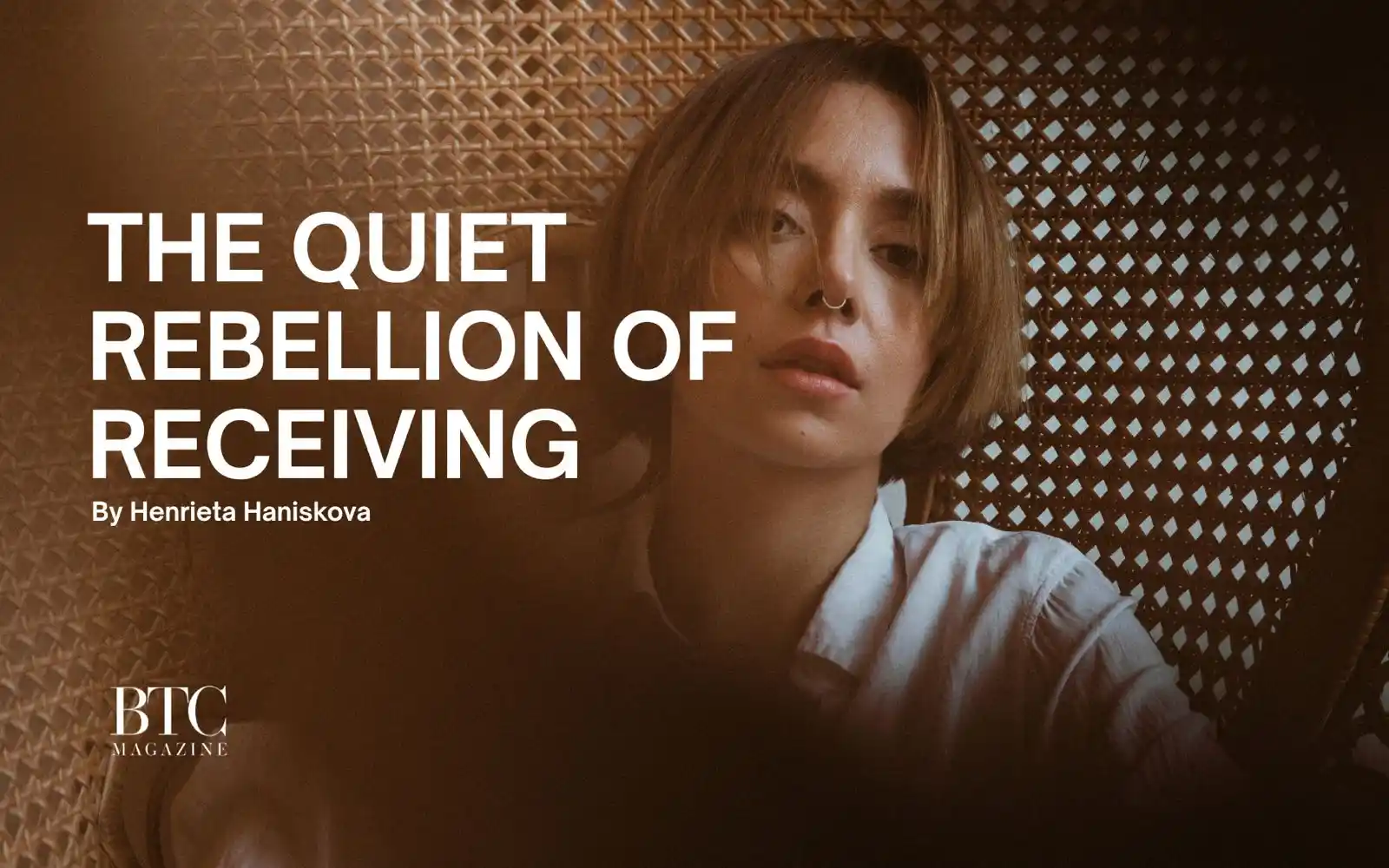
I Frayed
“I didn’t shatter in one dramatic scene. I frayed.”
A little every morning after too little sleep, a little every night picking up the slack no one noticed. Perfectionism dressed as competence. Duty dressed as goodness. The myth of the self-sacrificing mother carved into my nervous system, holy, untouchable, and slowly suffocating.
It wasn’t one betrayal; it was a thousand paper cuts: the partner who “forgot,” the toddler battles, the ache of my own childhood. We watched the women ahead of us pay for it, thinning hair, soft bellies from cortisol, circles under tired eyes, bodies that carried everyone’s weight but their own.
The wisdom of the feminine, rest, receiving, being held, was replaced with performance. There’s nowhere to lay your head if you’re the pillow for everyone else. When the Body Forgets How to Rest What we call burnout is simply the body’s survival system stuck in overdrive.
The hypothalamic-pituitary-adrenal (HPA) axis keeps firing until it forgets how to shut off. Cortisol stays high, the vagus nerve’s calming rhythm weakens, and the “repair” state disappears. Sleep stops working. Meditation feels impossible. You wake already tired. Scientists call it allostatic load, the wear and tear of chronic adaptation. I call it forgetting how to be alive in your own skin.
The System We’re Living In Women are cyclical by design, yet we live in a world built on masculine linearity, constant output, reward for speed, no allowance for ebb and flow. Each phase of our cycle asks for a different pace, a different kind of nourishment, but culture celebrates consistency, not grace.So we push when the body asks for pause, proving our worth through exhaustion.
We call it being strong; it’s survival in disguise. Eventually our hormones misfire, our nervous systems burn out, and our bodies protest with fatigue, anxiety, insomnia, or pain.
We don’t break because we’re weak, we break because we’ve been living against our rhythm for too long.
The Unraveling
“Sometimes the only way forward is through the unraveling.”
Vitamins didn’t touch it. Yoga became another checkbox. One morning I looked in the mirror and saw her, the drained woman I swore I’d never become, and felt a lightning strike of refusal. I’m not doing the saint’s slow death. For the first time, I felt compassion for the woman in the mirror.
No pep talk, no optimization, just compassion.
There was no pill or quick fix, only small, stubborn choices that worked: the real kind of self-care, not the pandemic slogan slapped on a bubble bath. When the world shut down, women finally saw it, the impossible load we’d been carrying all along. What we needed wasn’t candles; it was rest, support, and permission to stop pretending we were fine.
The Return
Every healing story begins with one small yes, a single act of softness that tells the body it is safe.
You can’t think your way back to yourself; you must feel your way home.
Touch, warmth, breath, scent, rhythm, these are the languages of safety.
Each long exhale steadies the heart. Each warm hand over the chest releases oxytocin.
Each inhalation of rose or neroli whispers, I’m safe now. Sensory rituals aren’t indulgence; they’re neurobiological repair. When you caress your skin with botanical oils or soak in a rose or lavender bath, you’re not masking fatigue, you’re re-educating your cells in the language of calm.
The skin and nervous system were born from the same embryonic tissue; they remember each other’s dialect.
Homecoming Every woman loses herself a little along the way. It’s okay. What matters is knowing how to find your way back. The way back begins with awareness, seeing exhaustion as wisdom, not weakness.
Then compassion, meeting yourself as gently as you meet your child. Then self-forgiveness, because most of us didn’t choose depletion; we inherited it.
And finally, the return to joy, not earned, not justified, but joy for its own sake, rising
naturally when the body feels safe again. These layers of care stop feeling like burdens when we realize they’re not luxury, they’re
remembrance.
No one is coming to save us, and that’s not tragedy, it’s liberation. Because once you understand your own body’s language, you’ll always know the way back. Every breath, every touch, every act of softness becomes a breadcrumb home. Back to your rhythm. Back to your joy. Back to yourself.
About the Author
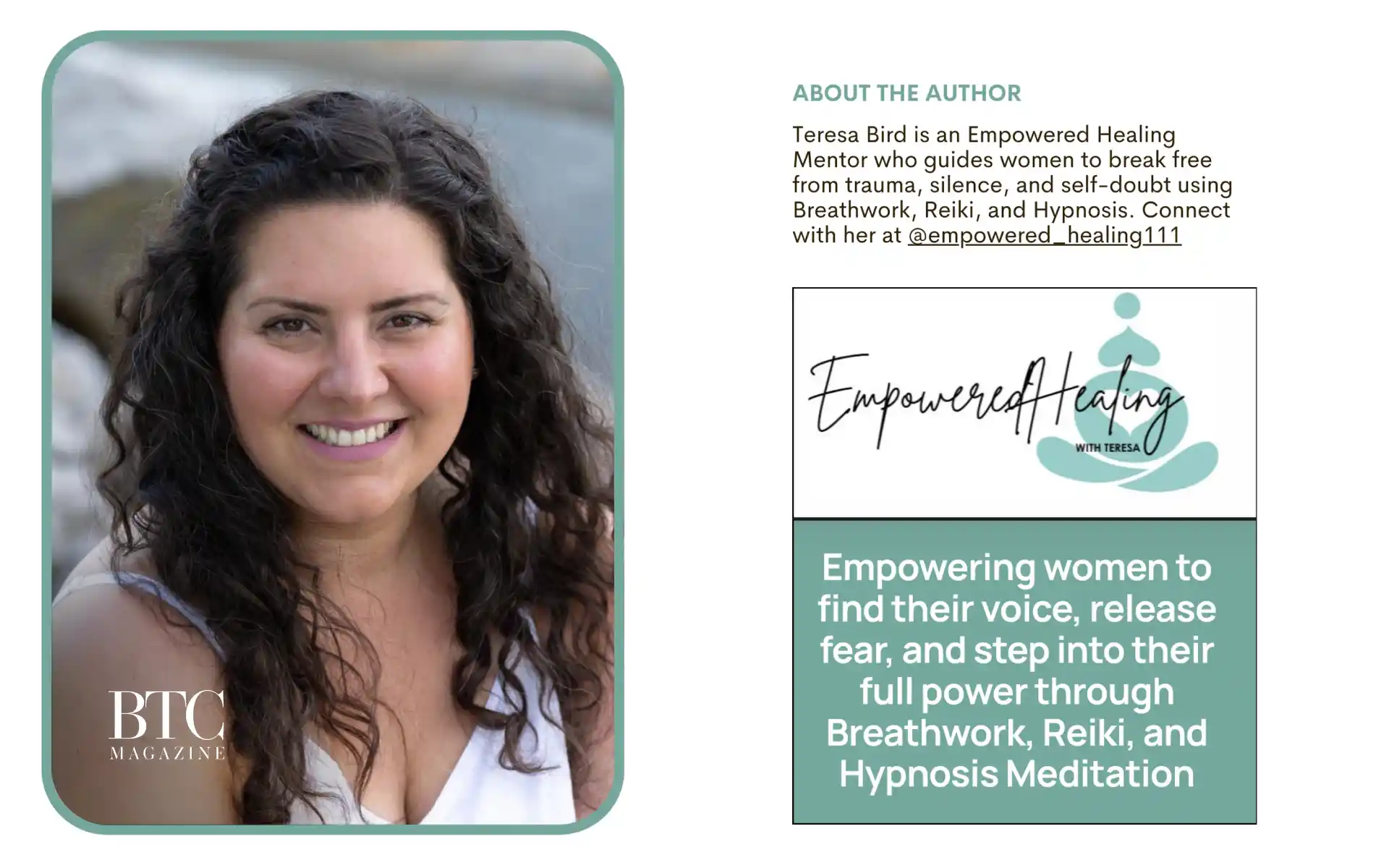
Henrieta Haniskova is a nurse and clinical aromatherapist exploring the intersection of
psychodermatology, women’s health, and sensory ritual.
Through her practice, she helps women restore nervous-system balance and emotional
vitality using nature’s most intelligent language: touch, scent, and presence.
Sidebar | 7-Day Nervous-System Reset
1, Unhook Delete one obligation. Breathe 4-6 for two minutes, five times. Ten minutes of
sunset light.
2, Warm the Core Ten-minute hot-water-bottle warmth after dinner. Cup of broth. Phone
sleeps elsewhere.
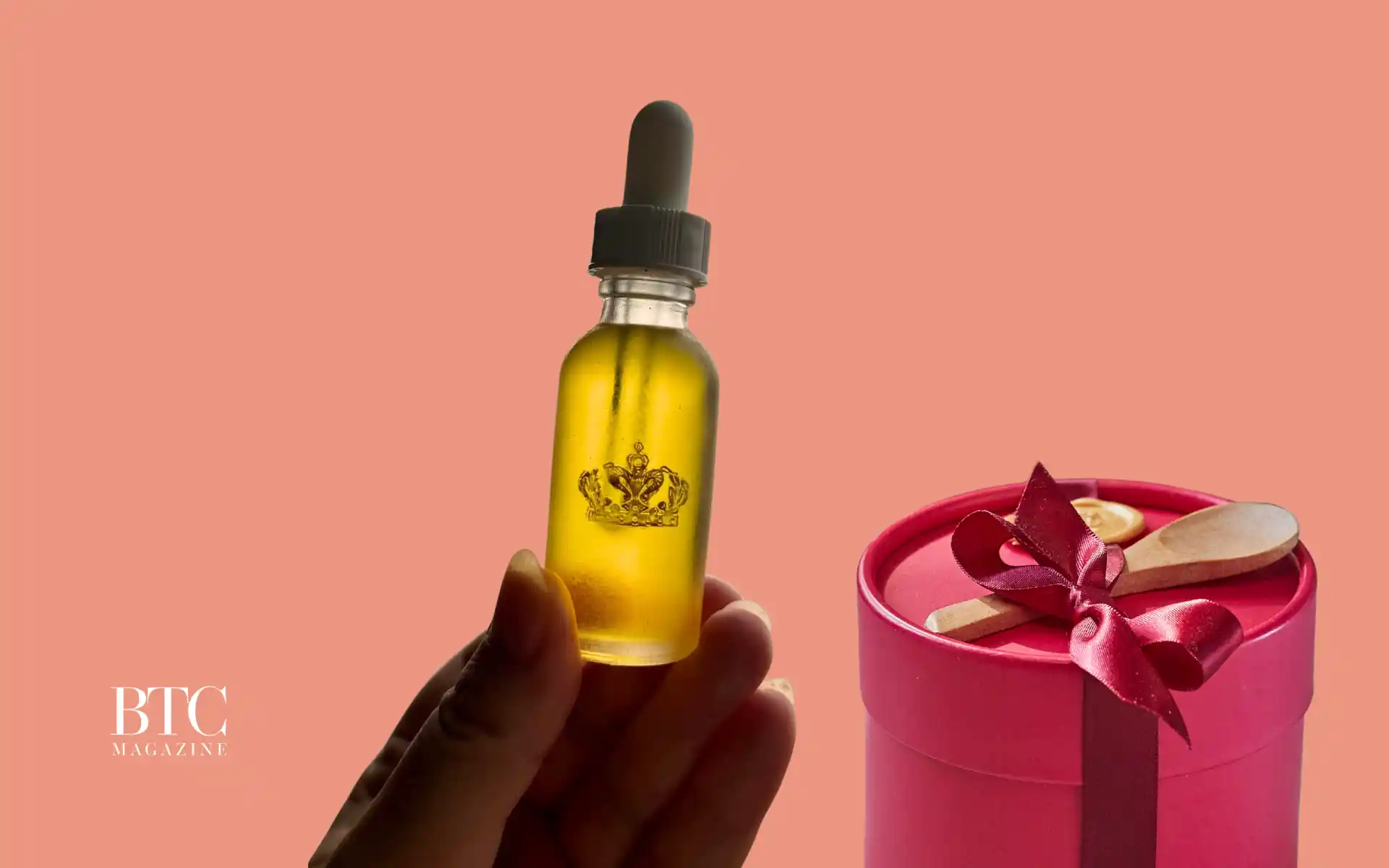
3, Anoint & Exhale Evening cleanse → indulge in a few minute facial massage with Royal Heir
Balancing Rose Serum. Three audible sighs.
4, Reclaim Morning Earlier bedtime offers earlier waking. Enjoy the solitude and silence
before the house wakes up with a cup of tea and sunrise light on your face. Breathe deeply.
5, Move Like Honey Ten minutes of slow swaying to one song. No metrics, just melt.
6, The Bath Salt/milk bath or an evening with candles, cup of tea and Royal Heir Relaxing
Rose Botanical Soak for the best sleep of your life.
7, Re-Entry Write three lines: What I’m releasing. What I’m ready to receive. How my body
says yes.
Members only from here
You've reached the preview. Subscribe for the full article — plus every issue and subscriber perks.
7-day free trial, then from $3.99/mo. Cancel anytime.
Instant access · Cancel anytime
“I started reading for the fashion pieces, but the essays are what kept me coming back.”
Maya R. · Toronto reader
The hypothalamic-pituitary-adrenal axis is the body's primary stress response system. Under chronic stress it fires continuously until it forgets how to shut off, keeping cortisol elevated and weakening the vagus nerve's calming rhythm. The repair state disappears, sleep stops working, meditation feels impossible, and you wake already tired. Scientists call this allostatic load.
Women are cyclical by design but live in a world built on masculine linearity that rewards constant output rather than honoring ebb and flow. The expectation to perform consistently across every phase of a hormonal cycle while managing caregiving, career, and domestic labor produces a chronic mismatch between what the body needs and what the culture demands.
The article describes it as a return to the feminine wisdom of rest, receiving, and being held. Practically this means building in rest that is proportional to exertion, nourishing the body with what depletes it under stress, and learning to recognize the signs that the repair system has gone offline rather than pushing further through the signals.
Henrieta Haniskova is connected to Royal Heir Botanicals, a brand that appears in articles about nervous system healing and hormonal support for women. Her work centers plant-based approaches to the physical toll of chronic stress and burnout as part of an integrated approach to restoring what modern life has depleted.
Keep exploring
Read the full story
7-day free trial · From $3.99/mo
Discover every article featured in our latest BTC issues, bringing the month's stories together in one place, so you can easily read and explore everything.
Read Now →Skin has no pronouns, and neither does great skincare. Discover clean beauty made for every skin type, age, and identity. Honest formulas, clear ingredients, and inclusive beauty that actually belongs to you.
Clean beauty for skin, not labels. Face mists, serums, moisturizers, and masks made for you, whoever you are.
Colour makeup and body care that work with your skin, not against it. Inclusive beauty, made honestly.
Beauty gifts and skincare gifts, curated into sets your favourite person will actually use and love.
You deserve stories that actually get you. A BTC magazine subscription unlocks unlimited access to in-depth, unfiltered articles, exclusive podcasts, and member perks you'll genuinely love. Try it free for seven days, then keep enjoying full access from just $3.99 a month. Cancel anytime, no pressure at all. Ready to go deeper?
7-day free trial, then from $3.99/mo. Cancel anytime.
Comments
No comments yet
No comments to show yet. Subscribe to join the conversation.
Log in or subscribe to comment on this article.