
Available on iOS & Android
Read BTC Anywhere
Carry the full magazine experience in your pocket — stories, podcasts, exclusive perks, and more. Download the free app today.
Carry the full magazine experience in your pocket — stories, podcasts, exclusive perks, and more. Download the free app today.
There's something about New York that makes you feel alive even when it smells like hot garbage and betrayal. Maybe it's the way the concrete seems to pulse with ambition, or how even the pigeons strut like they're on a runway. I went to Fashion Week expecting to see the future of fashion. What I got was a masterclass in both how to do it right, and a stomach-turning lesson in how catastrophically wrong it can go.
Let me start with the good, because Runway 7 deserves their flowers before I burn down someone else's garden.
In a world where fashion events often feel like you're crashing a party where nobody wants you there, Runway 7 was different. Three women in particular made magic happen: Diane Vara, the PR & Marketing Director who, despite handling all PR and managing a team of marketers, still took a second to make you feel welcomed with a simple, genuine smile; Christina Kovacs, Director of Brand & Sponsorships who refreshingly didn't know how she could help but still tried; and one more angel whose name I'm tracking down because my notes app crashed, fashion week, am I right?
This matters more than you think. When you're surrounded by people who look like they subsist on green juice and contempt, having someone treat you like an actual human being feels revolutionary.
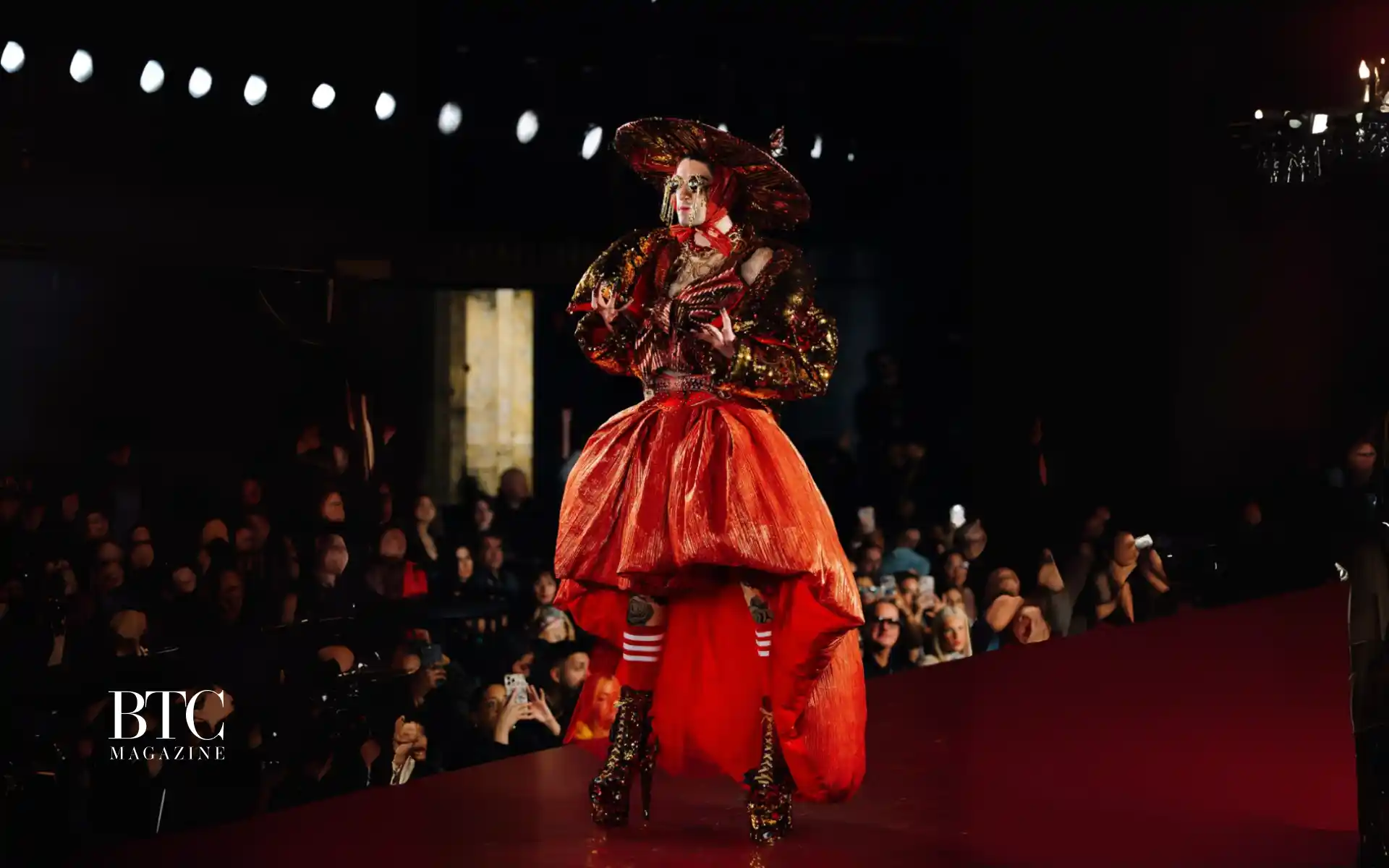
Let's talk about Melissa Crisostomo from Unique Custom Threads. This woman gets it. Every piece that walked down that runway was a one-of-a-kind statement that made you stop mid-scroll and actually look. She's been at this for three and a half years, self-taught, originally a fine artist, and it shows. There's something about designers who come to fashion from other art forms. They're not trying to recreate what's already been done. They're creating what doesn't exist yet.
"Every time I approach a fashion collection, I try and create something new," Melissa told me backstage, and honey, she wasn't lying. That back-open number? Even the straight guys were taking notes.
The models themselves were a revelation. Karan Fernandes, 29 but looking like she could play a high schooler on Netflix, flew in from Boston just for visibility, no hotel, no payment, just pure hustle and hope. Levana, a women's-only personal trainer who teaches self-defense on the side, strutted that runway like she was teaching it a lesson about power. These weren't just pretty faces; they were stories on legs.
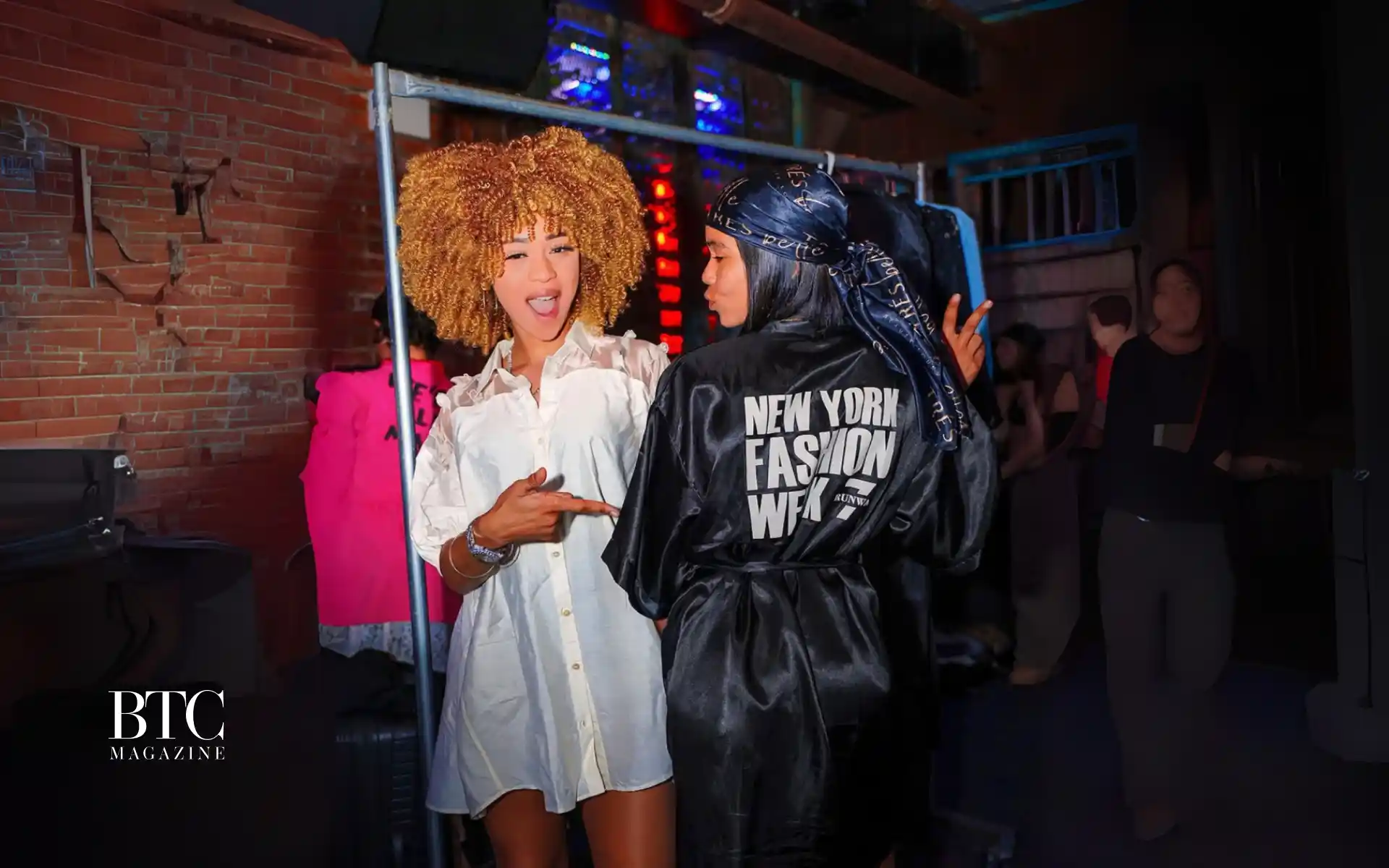
There were moments when Fashion Week lived up to its promise. The energy backstage, "boobs, makeup, lashes, everything flying everywhere," as Levana perfectly put it. The grandmother from Alabama watching her 10-year-old granddaughter work the runway with equal parts pride and protective terror. The writer and her plus-one BFF who dressed like she was the main character (because honestly, she was).
Even the city itself played its part. That particular New York magic where just walking the streets makes you feel like you're part of something bigger, even when you're dodging mysterious puddles and men who think "hey beautiful" is a conversation starter.
And this is where I need you to put down your coffee and pay attention.
I had to walk out of a fashion show. Me. The person who sat through an entire experimental theater piece about sentient tampons. But this? This broke me.
Picture this: Seven, eight, nine-year-old girls. High heels. Makeup that would make a Vegas showgirl blush. Outfits that, and I'm going to be very careful with my words here, made them look like miniature versions of something no child should ever be asked to embody.
I'm a dad of six-year-old twin girls. Progressive as hell. No filter. Judge-free zone, usually. But when I looked over at two bodyguards watching that runway and saw something in their eyes that made my skin crawl? When a 62-year-old photographer from Brooklyn, a woman who's probably seen everything, put down her camera and whispered, "This feels like child trafficking"?
That's not fashion. That's not art. That's exploitation wrapped in sequins and sold as empowerment.
Here's what kills me: I don't blame the kids. They're kids. I don't even fully blame the moms, sitting there with stars in their eyes, dreaming of their daughters' names in lights. We all want our children to shine. But there's a difference between letting your child shine and putting them on display like that.
The designer, whose name I won't give the dignity of printing, chose to put those children on that runway in that way. In an industry already riddled with predators and problems, she chose to serve up vulnerability on a silver platter and call it fashion.
One grandmother I interviewed put it perfectly: "I'm happy and I'm a little scared... I think about the times we're in and what could happen." She was talking about her granddaughter doing regular pageants, fully clothed, age-appropriate. Imagine how the parents of those Rhinestone Sugar girls should feel.
Fashion Week should be about innovation, not exploitation. It should be about Brianna from Bri Romi, marketing her brand through social media and refusing to believe she needs traditional runways to be successful. It should be about models like Anya Patel, whose mom is in the front row being her "biggest fan," fixing her hair and taking pictures. It should be about designers who understand that making people feel something doesn't mean making them feel sick.
The truth is, for all its pretension and $25 cocktails, Fashion Week at its best is about dreams taking shape. It's about self-taught designers getting their shot. It's about models from Brazil and Boston and Alabama converging on Sony Hall to walk for visibility, not pay, because they believe in something bigger.
Runway 7 did something beautiful. They created a space where emerging designers could show their work, where models could build their portfolios, where fashion felt accessible and exciting. They treated people like humans. They made magic happen on a budget and determination.
But they also hosted Rhinestone Sugar Couture. And that's a stain that no amount of sequins can cover.
Fashion Week is supposed to be the dream factory, the place where art meets commerce meets culture. When it works, it's transcendent. When it fails, it fails spectacularly. And when it crosses the line from fashion into exploitation?
That's when we need to stop clapping and start calling it out.
Because those little girls deserved better. We all did.
Members only from here
You've reached the preview. Subscribe for the full article — plus every issue and subscriber perks.
7-day free trial, then from $3.99/mo. Cancel anytime.
Instant access · Cancel anytime
“I started reading for the fashion pieces, but the essays are what kept me coming back.”
Maya R. · Toronto reader
Runway 7 stood out for its genuine warmth in an environment where most events feel like crashing a party where nobody wants you there. Specifically, PR director Diane Vara and brand director Christina Kovacs are credited with making attendees feel like actual humans rather than ambient crowd. In a fashion week culture of contempt and green juice, that distinction matters.
Melissa Crisostomo from Unique Custom Threads is praised for creating one-of-a-kind pieces that made people stop scrolling and actually look. She has been self-taught for three and a half years, and her work is credited with the kind of originality that fashion week promises but rarely delivers. She understood the assignment when others did not.
The review promises a stomach-turning lesson in how catastrophically wrong it can go, contrasting it with the designers and organizers who get it right. The column is structured as flowers before burning, acknowledging what worked before naming what failed. The failure described involves a designer who needed a reality check the review is willing to provide.
Keep exploring
Read the full story
7-day free trial · From $3.99/mo
Discover every article featured in our latest BTC issues, bringing the month's stories together in one place, so you can easily read and explore everything.
Read Now →Skin has no pronouns, and neither does great skincare. Discover clean beauty made for every skin type, age, and identity. Honest formulas, clear ingredients, and inclusive beauty that actually belongs to you.
Clean beauty for skin, not labels. Face mists, serums, moisturizers, and masks made for you, whoever you are.
Colour makeup and body care that work with your skin, not against it. Inclusive beauty, made honestly.
Beauty gifts and skincare gifts, curated into sets your favourite person will actually use and love.
You deserve stories that actually get you. A BTC magazine subscription unlocks unlimited access to in-depth, unfiltered articles, exclusive podcasts, and member perks you'll genuinely love. Try it free for seven days, then keep enjoying full access from just $3.99 a month. Cancel anytime, no pressure at all. Ready to go deeper?
7-day free trial, then from $3.99/mo. Cancel anytime.
Comments
No comments yet
No comments to show yet. Subscribe to join the conversation.
Log in or subscribe to comment on this article.