
Available on iOS & Android
Read BTC Anywhere
Carry the full magazine experience in your pocket — stories, podcasts, exclusive perks, and more. Download the free app today.
Carry the full magazine experience in your pocket — stories, podcasts, exclusive perks, and more. Download the free app today.
I've often been criticized for being too empathetic. I'm way too generous with giving people the benefit of the doubt and always 'feeling bad'. I tend to assume people are always good and I know exactly where that's gotten me. But choosing to believe in goodness has never been the problem, it's confusing generosity with obligation.
We live in a world that rewards skepticism and treats kindness as naïveté, especially in women. Somehow, softness is framed as a liability and restraint as weakness. But the real contradiction is this: we are expected to always be emotionally available (as partners, moms, siblings, daughters, friends) and then blamed when that availability becomes inconvenient. Believing people are capable of good doesn't make us unintelligent. What's draining is always being accommodating and understanding, even when our cup is empty.
Kindness is intentional. It's when we consider another person's feelings and needs without erasing our own. It's generosity that comes from willingness to help, not fear. It's being warm and loving, but with boundaries. It's empathy that doesn't require self-abandonment.
I used to think rebellion was being loud and confrontational. Something we announce to the world. I didn't know how deeply I'd internalized the role of 'emotional stabilizer' for everyone around me, the one who's always giving the sound advice, running to help, absorbing the tension so others don't have to. Maybe it's being the eldest child, forced to 'grow up' faster than I wanted, taking care of those around me to keep everyone safe. I was assigned a role I never really signed up for.
It's easy to mistake endurance for virtue. Putting up with people's ignorance, tolerating awkward situations or always keeping ourselves available to help others (even when it's hard) doesn't make us good morally.
Over the years, people I once considered close drifted out of my life. There were no dramatic exits (for the most part). Just a smooth escort out the door, unanswered efforts and eye-opening moments that "being gracious" had become a solo performance. Instead of being angry and setting clear limits, I'd downplayed how upset or disappointed I'd felt, expected less from others and had convinced myself this self-sacrificing behaviour was a sign of 'being mature'. I had basically trained myself to absorb hurt quietly, even if it had cost me emotionally. How was this maturity? By trying to be kind and avoiding conflict? Hiding my own feelings and ignoring my needs? For social approval, and to be called 'nice,' or accepted, even though it came at a personal cost.
Kindness has functioned as something I performed rather than something I chose. It was programmed in my brain like a Windows update always running and hardly glitching. The shift wasn't dramatic. I didn't make any grand announcements, I just stopped explaining. I allowed distance where I once rushed to repair (because that's what I always used to do) until I finally 'glitched' and chose not to reboot.
Some relationships didn't survive that reboot, and I'm perfectly content with that.
I don't seek out confrontation ever. In fact, I hate it. And I value the relationships I have. But generosity without boundaries isn't generosity at all, it's exhaustion at its finest. As I've entered a new chapter in my life, I've realized protecting our energy isn't betrayal, it's refusal. And refusal makes people very uncomfortable. Why uncomfortable? Because when you're finally done with doing emotional labour, you're done over giving and absorbing everyone else's needs.
We should believe people are capable of goodness. We should look around and notice who is truly there, who will always show up first for us and our families. What we no longer should believe is that it's solely our responsibility to be the only ones nurturing any kind of relationship, whether friends or family. Kindness, when it's compulsory, isn't a virtue, it's labor. It should not be handed out for free simply because it's "expected of us." We must learn to choose when and who should receive it, and recognize that 'kindness' should be by appointment only and with consent.
Women are often encouraged to give freely, support without scorekeeping and remain composed when the same isn't reciprocated. Almost everyone except the women providing the work profit from this emotional labor. When we finally decide to pull back, the narrative suddenly shifts, and our silence is framed as a problem or lack of care. That's when everyone suddenly notices our value.
From our partners, to the workplace, to our families and providing support for our loved ones (since most of us are currently sandwiched between children who still need us and parents who are needing us) the world around us is constantly profiting from our emotional labor, often without meaning to, while we spiral into burnout disguised as responsibility.
This even happens in our own homes. Managing adolescent emotions, mediating sibling disputes, remembering to buy milk, finding the missing charger, hunting for supplies at midnight for school projects due the next day, scheduling appointments, running daily operations. Everyone else gets stability and functioning households. We get exhaustion and never-ending to-do lists.
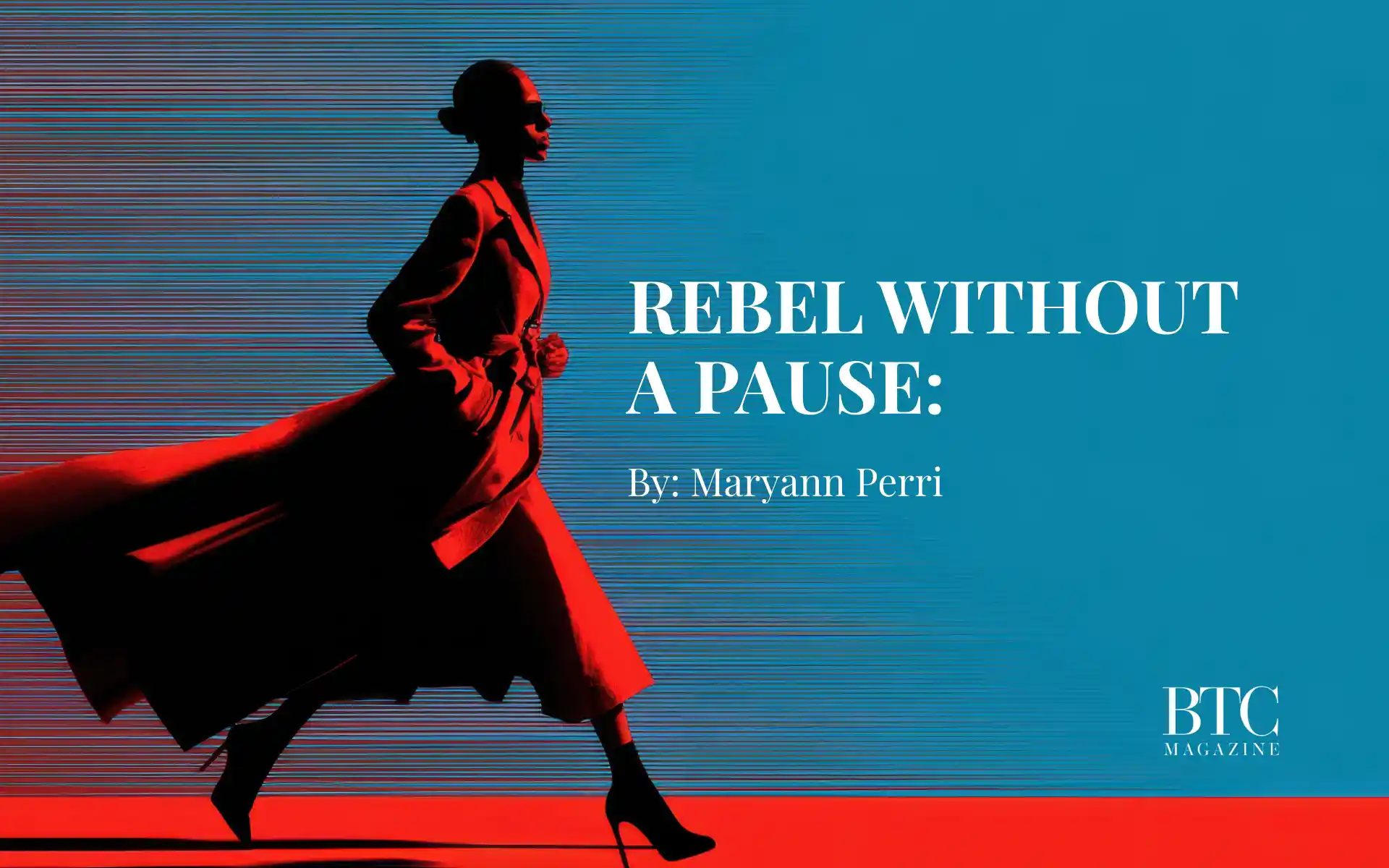
Rebellion isn't about becoming harder or colder. It's not who we are. It's about being less available for certain roles we were praised for. It's about choosing restraint instead of endless explanations. Withdrawal over constant performance. And every now and then, being able to put ourselves on 'do not disturb' without feeling guilty.
Because real kindness should not drain us. We don't need to be endlessly accommodating. Being kind is not the problem; it's the expectation we should be giving it for free. Let's be done performing emotional labor when it starts costing us our well-being, our voice or our sense of self. That's not cold or harsh, it's just basic economics.
Members only from here
You've reached the preview. Subscribe for the full article — plus every issue and subscriber perks.
7-day free trial, then from $3.99/mo. Cancel anytime.
Instant access · Cancel anytime
“I started reading for the fashion pieces, but the essays are what kept me coming back.”
Maya R. · Toronto reader
The essay distinguishes kindness as intentional generosity that considers another person without erasing yourself from kindness as performance driven by fear. The nice girl role the writer occupied for years was the latter: staying available, absorbing tension, running to help, even when the cup was empty. That is obligation, not kindness, and the rebel that emerges is the one who learns the difference.
The writer names her role as the eldest child forced to grow up faster than she wanted, taking care of everyone around her to keep people safe. That early assignment as the family's emotional stabilizer became so internalized that she spent adulthood performing it outside the family too, for everyone. The rebellion is recognizing that role as assigned rather than intrinsic.
The essay pushes back on the framing that empathy is the problem. Believing people are capable of good is not unintelligent. What drains is confusing generosity with obligation, always being accommodating and understanding even when your capacity is genuinely gone. Empathy with limits is kindness. Empathy without them is self-abandonment dressed as virtue.
Keep exploring
Read the full story
7-day free trial · From $3.99/mo
Discover every article featured in our latest BTC issues, bringing the month's stories together in one place, so you can easily read and explore everything.
Read Now →Skin has no pronouns, and neither does great skincare. Discover clean beauty made for every skin type, age, and identity. Honest formulas, clear ingredients, and inclusive beauty that actually belongs to you.
Clean beauty for skin, not labels. Face mists, serums, moisturizers, and masks made for you, whoever you are.
Colour makeup and body care that work with your skin, not against it. Inclusive beauty, made honestly.
Beauty gifts and skincare gifts, curated into sets your favourite person will actually use and love.
You deserve stories that actually get you. A BTC magazine subscription unlocks unlimited access to in-depth, unfiltered articles, exclusive podcasts, and member perks you'll genuinely love. Try it free for seven days, then keep enjoying full access from just $3.99 a month. Cancel anytime, no pressure at all. Ready to go deeper?
7-day free trial, then from $3.99/mo. Cancel anytime.

.webp)

Comments
No comments yet
No comments to show yet. Subscribe to join the conversation.
Log in or subscribe to comment on this article.